



Too much coffee can leave you shaky, restless, and anxious.
That’s the caffeine jitters — and the fix is simpler than you’d expect.
Drink water, eat something grounding like almonds or a banana, or take a few deep breaths. Most people feel better within an hour.
And if you want to skip the jitters altogether, functional shots with l-theanine can balance caffeine's stimulant effects before they tip over.
We’ll explore five easy ways to naturally get rid of caffeine jitters and how to prevent them from coming back.
Further Reading
Finding the right balance with caffeine can make all the difference. These articles are a great next step.
-
Looking for a satisfying alternative to your usual cup? Discover 6 Coffee Alternatives for steady energy without a spike-and-crash.
-
Better focus isn't just about caffeine. Explore Mental Clarity for everyday habits that can help support clearer thinking.
-
Find out If L-Theanine Is a Nootropic and how it can support calm, focused energy.
Jump To
- 5 Easy Ways to Get Rid of Caffeine Jitters Right Now
- How To Prevent Caffeine Jitters Before They Start
- 4 FAQs About Caffeine Consumption and Its Effects
Disclaimer: The information in this article is not medical advice. If you are pregnant, nursing, taking prescription medication, or have a medical condition, talk to your healthcare provider before making any changes to your diet or lifestyle.
5 Easy Ways to Get Rid of Caffeine Jitters Right Now
Before going into the remedies, it helps to know exactly what you’re dealing with.
Here is what people commonly feel:
- Shaky hands: Noticeable muscle tremors, especially in your fingers and hands
- Rapid heartbeat: Your pulse feels faster, stronger, or occasionally irregular
- Coffee anxiety: A sudden sense of nervousness or unease that was not there before
- Dizziness: Especially when standing up quickly
- Shortness of breath: Shallow, quick breathing without exertion
Your body has a tolerance limit for caffeine. When you take in more than it can handle, these symptoms (aka caffeine jitters) appear.
The remedies below work because they directly counter what excess caffeine does to your nervous system:
1. Drink Plenty of Water
Caffeine is a mild diuretic, meaning it makes your body lose water.
So coffee or a caffeinated energy drink can make you dehydrated, especially in excessive amounts (more than 5 cups of coffee a day).
When you’re dehydrated, the restlessness and jitteriness from caffeine can feel more intense.
That said, hydration does not dramatically speed up the rate at which your body breaks down caffeine. But it does two important things:
- It dilutes the caffeine concentration in your bloodstream.
- It replaces fluids lost through caffeine's diuretic effect.
This prevents dehydration from worsening symptoms like shakiness, lightheadedness, and anxiety.
What you can do: Drink 16 ounces (roughly 2 glasses) of water slowly, sip by sip. This will slowly replenish the lost fluids and ease jittery symptoms.
2. Eat Something Nourishing
Food acts like an internal brake.
It slows caffeine absorption in your digestive tract and gives your body something to work with besides stimulant overload.
Not just any food, though. These specific foods work better:
- Banana: Rich in potassium, which may help ease muscle tremors and steady shaky hands.
- Oatmeal: High in fiber, which slows down how fast caffeine enters your bloodstream. That means no sudden spike, so less of that jittery feeling.
- Leafy greens: Spinach and kale contain magnesium, which helps regulate your body's stress response. Caffeine flushes magnesium out, so eating leafy greens helps replenish it.
- Almonds: Contain healthy fats and magnesium. The fats slow digestion, and magnesium helps relax your nervous system.
- Avocado: A solid combo of fats and fiber, which means slower caffeine absorption plus steady energy instead of a crash.
3. Practice Slow Deep Breathing
Long, intentional belly breaths signal your brain to turn off its involuntary stress response. This instantly lowers rising anxiety levels.
Try this technique:
- Inhale for 6 seconds, filling air into your belly
- Then, exhale for 6 seconds
- Repeat for 3-5 minutes.
This breathing pattern smooths out heart rate variability and calms that rapid pounding feeling.
4. Do Some Light Physical Movements
A brief 10-minute walk allows your muscles to burn off excess adrenaline — the same stress hormone caffeine stimulates your body to release.
Low-intensity relaxation techniques, such as stretching or gentle yoga, also help you channel restless energy into healthy movement. The goal is to give that nervous energy somewhere to go.
However, try to avoid intense exercise. That will raise your heart rate even more. Stick to easy, steady movement instead.
5. Rest In a Quiet Space
Not in the mood to move your body?
Rest works, too.
Step away from screens. Sit in a quiet room. Close your eyes for 10 minutes and let your body do the work of clearing the stimulant naturally.
Reducing sensory input (noise, light, notifications) takes pressure off an overstimulated nervous system and gives anxiety symptoms room to fade naturally.
Even a short, still break in a calm environment can make a noticeable difference.
How To Prevent Caffeine Jitters Before They Start
These mindful tips help you stay out of the jitter zone without giving up caffeine:
1. Monitor Your Daily Caffeine Intake
The US FDA sets a safe limit of 400 mg of caffeine per day. That is roughly four cups of brewed coffee. If your daily intake is already more than that, try cutting back.
That said, staying under 400 mg does not guarantee you will avoid jitters.
Your caffeine tolerance (the amount your body can safely handle) is personal. Your body adapts to regular intake over time, which is why some people keep increasing their caffeine intake to feel the same effect.
If you’re new to caffeine or sensitive to it, you might have low tolerance. This means you might feel jitters from just one or two cups of coffee.
Pay attention to the amount that works for you, the point where you feel alert without feeling wired, and stay close to it.
2. Balance Caffeine With L-Theanine
L-theanine is an amino acid commonly found in green tea leaves. On its own, it promotes calm, focused attention.
Research suggests that when you pair it with caffeine in a 2:1 ratio (100 mg l-theanine and 50 mg caffeine), it smooths out the harsh edges, reducing the jittery, shaky feeling while keeping you mentally sharp.
What you get instead is what researchers describe as "relaxed alertness," the cognitive sweet spot.
But getting that exact ratio from whole foods is impractical. You would need 4-5 cups of green tea plus carefully timed coffee.
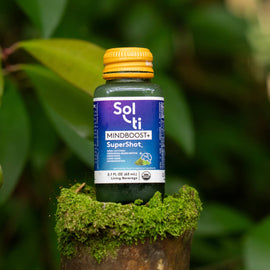
That’s where a pre-portioned beverage, like Sol-ti’s MINDBOOST+™ SuperShot™, comes in.
MINDBOOST+™ SuperShot: Natural Caffeine + Organic L-Theanine For Calm Focus

The MINDBOOST+™ SuperShot is a ready-to-drink nootropic shot that delivers the clinically-studied 2:1 ratio using:
- 100 mg l-theanine from USDA Organic ceremonial-grade matcha and green tea extract (98%).
- 50 mg natural caffeine from organic green coffee beans/berries.
This combination helps you keep the alertness and focus you want without the shaky, anxious edge. You stay grounded and clear while getting a steady energy lift.
But the benefits don't stop there.
The MINDBOOST+™ SuperShot also features lion’s mane mushroom, KSM-66® Ashwagandha, holy basil, and maca root — a stack of nootropic and adaptogenic ingredients that help support attention, memory, and stress resilience for daily cognitive demands.
The shot is bottled in glass and purified using Sol-ti's proprietary UV Light Filtration method, ensuring maximum nutrient potency and flavor.
Grab MINDBOOST+™ SuperShot today today to get that familiar caffeine kick without its edge.
3. Switch To Half-Caf or Decaf
Decaf coffee starts as regular coffee. Then, manufacturers use water, carbon dioxide, or organic solvents to extract most of the caffeine (about 95%-97%).
It’s not completely caffeine-free, but for most people, it helps reduce the stimulant load.
Alternatively, you can go for half-caf. That’s simply a 50-50 mix of regular coffee and decaf.
You get roughly half the caffeine per cup with the same flavor and routine. For people who are sensitive to caffeine or trying to taper down, it is an easy option.
4. Choose Natural Caffeine Sources Over Synthetic
Caffeine can be synthetic.
Synthetic caffeine is made in labs using chemicals like urea rather than being extracted from plants like coffee beans or tea leaves. This lab-made version is common in energy drinks, flavored coffee drinks, sodas, etc.
Synthetic caffeine hits your system fast. That sharp rise can increase jitter risk and lead to a crash.
In contrast, natural caffeine sources like matcha and green coffee beans provide a more gradual, sustained energy boost.
One clinical trial found that synthetic caffeine peaks at 38 minutes while natural caffeine from green coffee bean extract peaks at 45 minutes. That extra time comes from chlorogenic acids (plant compounds that slow absorption).
Sol-ti’s MINDBOOST+™ SuperShot uses USDA organic green coffee berries for its caffeine content. This natural source provides a steadier, more gradual boost in alertness.
5. Eat Before You Drink
Food in your stomach slows caffeine absorption. It’s one of the simplest ways to reduce jitter risk.
Try a handful of almonds, half a banana, or a small bowl of oatmeal before your morning coffee. The combination of fiber, fat, or potassium creates a buffer that softens the impact of a caffeinated beverage.
6. Know Your Caffeine Sensitivity
Caffeine sensitivity is a measure of how strongly caffeine affects you or how much it takes for you to feel the effects.
Some people metabolize it quickly; others clear it much more slowly.
If you fall into the latter group, caffeine can stay in your system for up to 9 hours — meaning one cup of coffee could give you a jittery feeling for most of the day.
If that sounds familiar, turn to decaf or herbal tea. Or just stick to your morning coffee, avoiding any intake after 12 pm.
Better yet, opt for a balanced option, like MINDBOOST+™ SuperShot. It contains 50 mg of natural caffeine, plus several calming herbs to offset jitters and a crash. So you get all the benefits of caffeine without its downsides.
For reference, one standard cup of coffee contains roughly 100 mg caffeine.
7. Hydrate Before Caffeine and Throughout the Day
Reaching for that cup of coffee first thing in the morning?
That is a recipe for jitters.
Here’s why:
Your body naturally loses fluids overnight, so you’re already somewhat dehydrated by morning. Adding caffeine on top of that amplifies the diuretic effect.
Instead, drink 16 to 20 ounces (about two glasses) of water before your morning coffee.
If you drink caffeine throughout the day, keep water nearby and sip consistently. It’s a small habit that makes the overall experience noticeably smoother.
Continue Reading
Steady energy and better focus often go hand in hand, and these related posts offer valuable insights for that:
-
If staying focused feels harder than it should be, learn about Brain Fog and some common factors that can cause it.
-
Ready to put that energy to good use? Explore 10 Easy Ways to Stay Focused at Work that you can use every day.
4 FAQs About Caffeine Consumption and Its Effects
Here are answers to some common questions people have about caffeine and its effects on the body:
1. Why Does Caffeine Cause Anxiety And Jittery Effects?
Caffeine pushes your body into a mild "fight or flight" response.
It works by blocking adenosine receptors in your body. Adenosine is a natural chemical that tells your body to slow down and rest.
When caffeine blocks these receptors, your nerve cells become more active, and your brain reads that sudden shift as a potential emergency.
In response, it signals your adrenal glands to release adrenaline. That adrenaline raises your heart rate and blood pressure, creating that anxious, on-edge feeling. It also creates muscular tension, which shows up as shaky hands.
2. How Long Do Caffeine Jitters Last?
The physical jittery feeling typically lasts 3 to 6 hours.
Caffeine levels peak in your bloodstream, typically within one hour of drinking coffee. From there, your body starts breaking it down.
Individual factors like caffeine sensitivity, food intake, and hydration levels all influence how fast that process moves.
3. What Is Caffeine Withdrawal And Does it Also Cause Jitters?
Caffeine withdrawal happens when you consume caffeine regularly and then stop abruptly or cut back significantly.
The body has adapted to a certain daily dose, and when that dose disappears, it pushes back.
Caffeine withdrawal does not directly cause jitters, the way it happens with drinking excess coffee.
Common caffeine withdrawal symptoms include:
- Headache
- Fatigue,
- Irritability
- Difficulty concentrating
Some people also report depressed mood, drowsiness, and brain fog.
4. Can You Overdose on Caffeine?
Yes, a caffeine overdose can happen, though it’s rare from brewed coffee alone.
The real risk comes from highly concentrated products like pure caffeine powder.
One teaspoon of pure caffeine powder contains roughly 2,500 to 5,000 mg of caffeine — equivalent to 25-50 cups of coffee.
The FDA estimates that 1,200 mg of caffeine (roughly half a teaspoon of pure caffeine) can cause severe toxic effects, such as a rapid heartbeat and seizures.
3,000 mg or more can cause severe toxicity and is dangerous to your heart health.
For reference, that is roughly 30 cups of coffee in a very short period.
Replace Caffeine Jitters with Smooth Calm Focus With Sol-ti®
Caffeine jitters can wreck your focus and make you feel worse than before your cup.
Thankfully, they don't last long. But why suffer at all?
Use the remedies and prevention tips above to stay out of that shaky zone.
If you want all the benefits of caffeine without the edge, MINDBOOST+™ SuperShot offers a balanced option. This nootropic drink has 50 mg of natural caffeine, plus l-theanine and a full stack of nootropic and adaptogenic ingredients, so you get sharp, steady focus without the shakiness.
Get yours today and enjoy free shipping on eligible orders over $75*.
*The SuperAde collection is excluded from free shipping.
Stay vibrant,

Want to hear more from the Sol-ti® community? Sign up for our weekly Newsletter!