


Coffee is great until it starts feeling like too much.
Maybe it gives you jitters. The afternoon crash is no longer worth it. Or, you still want the energy and focus, but without another cup.
The best coffee alternative depends on what you want to replace.
Try matcha or yerba mate for a lighter caffeine lift, roasted herbal blends for a coffee-like flavor, herbal teas for a caffeine-free ritual, or a nootropic drink when focus and convenience matter most.
We’ll compare six coffee alternatives, see how to choose what fits your needs, and share simple ways to make the switch without overhauling your routine.
Further Reading:
Looking for more ways to support steady energy and focus? Check out these related reads.
-
Explore Mental Clarity for simple habits that can help support focus every day.
-
Ever wondered why it's harder to concentrate on some days? Learn about Brain Fog and what may be behind those mentally sluggish moments.
-
If coffee leaves you feeling shaky, find out How to Get Rid of Caffeine Jitters for a smoother caffeine routine.
Unpack:
-
6 Best Coffee Alternatives to Try Today
- Caffeinated Teas: Best for Caffeine Without Coffee
- Focus and Nootropic Drinks: Best for Calm, Steady Focus
- Roasted Coffee Substitutes: Best for Coffee-Like Flavor
- Cozy Warm Drinks: Best for a Rich, Comforting Swap
- Herbal Teas: Best for a Caffeine-Free Sip
- Decaf or Half-Caf Coffee: Best for Coffee With Less Caffeine
- How to Choose the Right Coffee Alternative
- 3 Tips to Easily Switch From Coffee to a Coffee Alternative
- 5 FAQs About Coffee Alternatives
6 Best Coffee Alternatives to Try Today
With so many options, different coffee alternatives solve different needs.
Some replace the caffeine. Others replace the flavor, the ritual, or the focused feeling that a good cup delivers.
The right choice comes down to what role coffee currently plays in your day.
A regular coffee drinker who wants to cut back may prefer half-caf first, while someone ready to stop drinking coffee may want tea, herbal drinks, or nootropic options instead.
Let’s explore six coffee alternatives you should try:
1. Caffeinated Teas: Best for Caffeine Without Coffee
Green tea, matcha, black tea, and yerba mate are great options if you want caffeine but are looking to cut back on coffee — whether because of jitters, digestive discomfort, taste, or simply a desire for more variety in your routine.
-
Green tea and matcha
- Caffeine level: about 30–50 mg (green tea), 40–80 mg (matcha) per 8-ounce (230ml) standard cup.
- They naturally contain high levels of L-theanine (an amino acid found in tea leaves), with shade-grown matcha typically offering a richer source.
- The pairing of l-theanine and caffeine offers a more balanced, focused feeling instead of the sudden crash or anxiety often triggered by coffee alone.
-
Black tea
- Caffeine level: around 40–70 mg per 8-ounce (230ml) standard cup.
- It offers a richer, more robust flavor and a malty bitterness that can feel closer to coffee than lighter teas.
- It also naturally contains L-theanine, making it a good option for people who want caffeine in a steadier format.
- Hot tip: If you want something spiced and bold, chai tea, more accurately called masala chai, can be another caffeinated tea option. Chai tea is typically made with black tea and spices like cardamom, ginger, cinnamon, and cloves.
-
Yerba mate
- Caffeine level: about 70–85 mg per 8-ounce (230ml) standard cup.
- A traditional South American herbal infusion made from the leaves of the yerba mate plant. It contains theobromine (the mood-boosting compound found in cacao), which helps support sustained energy.
- However, yerba mate’s distinct, earthy flavor can take a little getting used to.
Note: An 8-ounce (230ml) standard cup of coffee can contain around 80-200 mg of caffeine. Caffeine levels vary based on brand, preparation methods, serving size, water temperature, and steeping time.
2. Focus and Nootropic Drinks: Best for Calm, Steady Focus
If tea-based alternatives feel too light, focus and nootropic drinks offer a more functional way to replace your usual coffee moment.
These drinks are designed for people who want energy, mental clarity, and convenience without having to brew, steep, whisk, or wait for another cup.
So, for someone who reaches for instant coffee just because it’s time-saving, a ready-to-drink nootropic shot offers even better convenience with a more functional ingredient profile.
Most formulas pair caffeine with nootropics (ingredients commonly used to support cognitive function) and adaptogens (herbs and botanicals that help the body adapt to stress) to support a clear and focused mind.
Want a ready-to-drink nootropic beverage?
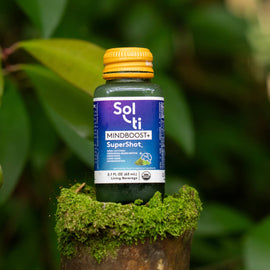
Try Sol-ti’s MINDBOOST+™ SuperShot™.
It’s a matcha-based nootropic drink designed to support calm focus, steady energy, and hydration in a quick shot.
Inside each bottle, you get a purposeful mix of USDA Certified organic and food-grade, GRAS (Generally Recognized As Safe) ingredients:
- For mental clarity: Lion’s Mane, Blue Spirulina, and Ceremonial Grade shade-grown Matcha help support cognitive function, memory, and clear thinking.
- For calm, steady energy: L-theanine and natural caffeine from Green Coffee Bean/Berry and Ceremonial Grade Matcha help support alertness without the jittery edge caffeine alone can bring.
- For everyday resilience: KSM-66® Ashwagandha, Holy Basil, and Maca Root help the body stay balanced through busy days.
- For hydration support: Aquamin® Marine Minerals and Baja Gold Sea Salt provide naturally sourced minerals and electrolytes.
The shot is rounded out with cold-pressed ginger, green apple, and lemon for a bright, refreshing base, plus a touch of maple syrup for natural sweetness.

So instead of coffee, try this functional nootropic shot built for calm energy, clear thinking, and hydration support.
Keep the MINDBOOST+™ SuperShot chilled and sip it before deep work, a study session, a workout, or that mid-afternoon stretch when you want to stay in the zone.
3. Roasted Coffee Substitutes: Best for Coffee-Like Flavor
Prefer something that feels closest to coffee?
Try roasted coffee substitutes.
Made from roasted roots, grains, seeds, or botanicals, they add bitterness, body, and depth that people often miss when cutting back on coffee. Many are naturally caffeine-free alternatives, but check the label, as some blends may include regular coffee or other caffeinated ingredients.
Common examples include:
- Roasted chicory root (chicory coffee): Chicory coffee is roasted, ground, and brewed like coffee, creating a dark, earthy flavor. It’s naturally caffeine-free unless blended with regular coffee.
- Roasted dandelion root (dandelion coffee): Often used for a bitter, herbal, coffee-like taste. It’s often called dandelion coffee since the roasted dandelion root pieces and the beverage look like coffee.
- Roasted barley (barley coffee) or grain blends: Used for body and toastiness, though these may not suit people avoiding gluten.
These substitutes also work well with plant-based milk or creamer for a richer taste and a fuller coffee-style experience.
4. Cozy Warm Drinks: Best for a Rich, Comforting Swap
Cacao or cocoa-based drinks (brewed cacao, hot chocolate) and golden milk are for the days when you want richness, comfort, and a coffee alternative that feels more like a treat than a pick-me-up.
Cacao gives you bold, slightly bitter, mocha-like depth when mixed with plant-based milk. Unlike hot chocolate, which is often sweetened and creamier, brewed cacao usually has a more bitter, grown-up flavor.
Golden milk (turmeric latte) goes the spiced route, usually with turmeric, warming spices, and plant-based milk. It’s grounding, flavorful, and better suited to a slower afternoon or evening sip.
For a plant-powered take on classic turmeric latte, try Sol-ti’s vegan Golden Milk recipe with TURMERIC SuperShot™.
5. Herbal Teas: Best for a Caffeine-Free Sip
Herbal teas are steeped botanical drinks made from herbs, roots, flowers, spices, or fruit, such as chamomile, peppermint, ginger, turmeric, hibiscus, and rooibos.
Most traditional herbal teas don’t naturally contain caffeine, which makes them suitable for later in the day or whenever you want something simple and warm.
They can be light and calming like chamomile or peppermint, or more full-bodied, like rooibos, ginger, and turmeric.
For a more functional take, try Sol-ti’s Turmeric Tea recipe with TURMERIC SuperShot for a warm, plant-powered sip.
6. Decaf or Half-Caf Coffee: Best for Coffee With Less Caffeine
If you’re a coffee lover who doesn’t want to give up the taste, decaf or half-caf can be a realistic first step.
Decaffeinated coffee (decaf) is coffee with most of the caffeine removed, though it’s not always completely caffeine-free.
Half-caffeinated coffee (half-caf) is usually a blend of regular and decaf coffee, giving you the same coffee flavor with a lower caffeine load.
Both work well if you enjoy coffee’s roasted taste and want to cut back without changing your drink completely. But since decaf and half-caf are still coffee, they won’t be the right fit if you’re trying to avoid coffee altogether.
How to Choose the Right Coffee Alternative
Use this quick guide to match your swap to your actual goal:
| If you want... | Choose... | Why |
|---|---|---|
| Caffeine without coffee | Green tea, matcha, black tea, yerba mate | These give you caffeine from tea or infusion-style drinks instead of coffee. |
| Calm, steady focus | Focus or nootropic drinks like the MINDBOOST+™ SuperShot, matcha, green tea | These options can support energy, mental clarity, and focus without a spike-and-crash pattern. |
| Coffee-like flavor | Roasted coffee substitutes like chicory coffee or dandelion coffee, decaf coffee, half-caf coffee | These are closer to coffee’s roasted taste and fuller body. |
| No caffeine | Herbal tea, caffeine-free roasted coffee substitutes | These are better for evenings or caffeine-sensitive routines. |
| Rich comfort | Cacao or cocoa drinks, golden milk | These work well when you want a warm, satisfying sip more than an energy lift. |
| Coffee with less caffeine | Decaf coffee or half-caf coffee | These let you keep coffee flavor while lowering caffeine. |
| Convenience | Ready-to-drink nootropic shots like the MINDBOOST+™ SuperShot | These require no brewing, steeping, whisking, or prep. |
3 Tips to Easily Switch From Coffee to a Coffee Alternative
Switching works best when you don't treat it like a total overhaul.
Start by replacing one cup and matching the swap to the reason you usually drink coffee.
1. Pick The Coffee Moment You Want To Replace
If your first coffee is really about focus, try a focus or nootropic drink.
If your afternoon coffee is about comfort, try herbal blends, like rooibos tea or ginger tea, cacao, or golden milk.
If you mostly want the coffee taste, try a roasted coffee substitute, decaf, or half-caf.
2. Keep The Part Of The Habit You Like
Maybe it’s the morning pause, the afternoon reset, or the feeling of drinking coffee before work.
Keep that cue, then change the drink.
3. Make The Swap Easy To Repeat
For the MINDBOOST+™ SuperShot, that means taking it before your first focused work block, or making it part of your commute, desk setup, or pre-workout routine.
For other swaps, keep the tea bag, cacao, roasted coffee substitutes, or decaf somewhere visible so the alternatives are just as easy to reach as your traditional coffee.
Continue Reading
Supporting focus goes beyond daily caffeine rituals. These related reads explore the bigger picture:
-
Mental sharpness is about more than staying focused. Discover Mental Acuity and the qualities that support overall cognitive performance.
-
Explore 6 research-backed Lion's Mane Benefits to find out why this functional mushroom is popular in wellness routines.
5 FAQs About Coffee Alternatives
Let’s also discuss some common questions on alternatives to coffee:
1. What Coffee Alternative Gives You Energy Without Coffee?
Green tea, matcha tea, black tea, yerba mate, and functional options like Sol-ti’s MINDBOOST+™ SuperShot can all provide energy without traditional coffee.
The best choice depends on whether you want a simple tea, a stronger caffeine source, or a ready-to-drink functional option.
2. Is Matcha A Good Coffee Alternative?
Yes, matcha can be a good coffee alternative if you still want caffeine from a tea leaf instead of a coffee bean.
It naturally contains caffeine and L-theanine, but it’s not caffeine-free and does not taste like coffee.
Unlike instant coffee, which is often chosen for speed, matcha tea offers a more intentional tea-based ritual that can calm nerves and make you feel grounded.
3. Are Coffee Alternatives Better For Digestion?
Some people choose coffee alternatives because they want a gentler-feeling daily routine.
The best option depends on your body, your caffeine tolerance, and the drink's ingredients.
A simple way to test it is to swap one cup, keep the rest of your routine steady, and notice how you feel. If you have ongoing digestive symptoms or a diagnosed condition, follow guidance from a healthcare professional.
4. Which Coffee Alternative Is Best For GERD?
There is no single best coffee alternative for GERD (gastroesophageal reflux disease) because triggers vary.
Some people may prefer caffeine-free or lower-acid options, while others may need to avoid specific ingredients.
If reflux symptoms are ongoing, speak with a healthcare professional.
5. Can You Have Coffee With SIBO?
Some people with SIBO (small intestinal bacterial overgrowth) may tolerate coffee, while others may not.
The same is true for coffee alternatives.
If you have SIBO, follow your healthcare professional’s guidance and choose options based on your individual tolerance.
Coffee Isn’t The Only Main Character
Coffee can stay, scale back, or step aside completely.
What matters is finding a drink that fits your routine and moments, whether you want flavor, caffeine, comfort, focus, or convenience.
Maybe that is half-caf in the morning, herbal tea at night, or MINDBOOST+™ SuperShot when you want calm focus and steady energy in a quick shot.
Ready to make the switch?
Order the MINDBOOST+™ SuperShot today and enjoy free shipping on eligible orders over $75*.
*The SuperAde collection is excluded from free shipping.
Stay vibrant,

Want to hear more from the Sol-ti® community? Sign up for our weekly Newsletter!