


‘Super flu’ has been showing up everywhere this season, from news headlines to doctors’ offices, and for good reason.
To clear things up: It isn’t a new virus or a mystery illness.
Super flu is a variation of the regular flu (or influenza) that is spreading fast, hitting hard, and keeping people sick for longer than usual.
We’ll break down what “super flu” actually is, what symptoms to expect, when to seek medical care, and a few simple habits that can help lower your risk during peak flu season.
Disclaimer: This information is for general wellness guidance only and isn’t a substitute for medical advice. Always follow guidance from your healthcare provider, especially if you have underlying health conditions or concerns.
Jump To:
- What Is Super Flu (Influenza)?
- What's Making the Fall 2025 Flu Season Hit So Hard?
- Super Flu Symptoms: What People Usually Feel
- What to Do if You Think You Have the Super Flu
- 5 Ways to Lower Your Risk During the Flu Season
What Is Super Flu (Influenza)?
Super flu is the same seasonal influenza that shows up every winter. What’s different this season (since fall 2025) is how it’s behaving.
According to the World Health Organization (WHO), around 89% of cases this season are caused by a flu strain called H3N2, specifically its subclade K variant.
H3N2 is a type of Influenza a virus, which is one of the main flu virus groups that circulates each year.
H3N2 isn’t new, but some forms can spread more easily, and when a fast-moving strain becomes dominant, more people get sick at the same time.
So when you hear ‘super flu,’ it’s not a new virus, but rather a more aggressive flu season.
Still, it’s important to remember that influenza is an infectious disease, so prevention and good hygiene matter.
What's Making the Fall 2025 Flu Season Hit So Hard?
Several factors affect why influenza cases are rising quickly and why symptoms feel stronger:
1. A Highly Mutated Variant
Influenza viruses can change (mutate) slightly every year — that’s normal. They don’t replicate perfectly, so small genetic changes build up over time.
Some years, those changes are minor, and the flu feels milder. Other years, the changes are more noticeable, and more people end up dealing with longer, heavier symptoms.
This season’s H3N2 ‘subclade K’ strain showed up in fall 2025 and has significant mutations than usual, helping it evade immunity from prior infections.
This can make it harder for the immune system to recognize and respond quickly, making symptoms feel more sudden, intense, and exhausting.
2. Immunity Gap Effect
Another factor is what experts often call an immunity gap or immunity debt.
If you haven’t been exposed to common seasonal illnesses in recent years, your immune system may take longer to respond when you encounter the flu again. That slower response can make symptoms feel heavier at first.
3. Winter Conditions
Add in typical winter conditions — more time indoors, shared air, and closer contact — and the flu virus has more opportunities to spread. This is why influenza activity tends to spike during colder months.
Super Flu Symptoms: What People Usually Feel
One of the most common signs people notice this season is how fast it comes on. You might feel fine one day, then wake up the next feeling completely wiped out.
For many people, symptoms include a mix of:
- Fever or chills (sometimes both)
- Body aches
- Headache
- Cough
- Sore throat
- Nasal congestion or a runny nose
- Heavy fatigue — not just “a little tired,” but the kind that makes even simple tasks feel hard
Children may also experience stomach upset, including vomiting or diarrhea.
The good news?
The most intense symptoms usually ease within three to seven days.
That said, it’s normal for a lingering cough or lower energy levels to continue for another week, or longer, before you fully feel like yourself again.
Once you recognize the symptoms, the next step is knowing how to respond.
What to Do if You Think You Have the Super Flu
If you think you’ve caught the flu, the next few days are about supporting your body and knowing when to seek medical help. Pay attention to symptom onset since antiviral medication works best when started early.
Here are some quick do’s to minimize the risk of flu complications and aid recovery:
- Rest and hydrate in the first 48 hours: Rest as much as you can since your body needs the energy to fight the infection. Also, focus on proper hydration — keep drinking water, herbal teas, or broths.
- Consult your doctor if you’re in a high-risk group: If you’re older (65+), pregnant, or managing a chronic condition (like heart disease or respiratory illness), reach out to your doctor ASAP.
- Consider urgent care if symptoms worsen: If you notice increased symptom severity, such as chest pain or extreme fatigue, urgent care can help evaluate your condition quickly.
- Try simple at-home care: Warm liquids like tea or soup can soothe your throat. Steam from a humidifier may help ease nasal congestion. Over-the-counter medications can help with fever or aches — ensure you follow the dosing directions on the label.
- Prioritize added immune support: Add vitamin C–rich immunity shots to your routine as an easy wellness support alongside rest and hydration.
- Wait before returning to normal activities: Stay home until you’ve gone at least 24 hours without a fever and without taking fever-reducing medication. Taking an extra day or two to rest can make recovery smoother and help protect the people around you.
Whether you’ve been sick or not, small daily habits can help lower your risk during flu season.
5 Ways to Lower Your Risk During the Flu Season
You don’t need to overhaul your routine to reduce your risk during flu season. A few consistent, everyday habits can make a meaningful difference.
1. Prioritize Sleep, Hydration, and Healthy Meals
Sleep is when your body does much of its recovery and repair, so aim for a regular, consistent rest every day.
Stay hydrated throughout the day — regular water, herbal teas, broth, or electrolyte drinks all count. Choose what feels easiest to keep up with.
When it comes to food, focus on simple, nourishing meals with a mix of protein, fruits, and vegetables to help your body stay resilient.
2. Add Gentle Immune Support to Your Routine
Immunity shots are a simple way to support your wellness routine, especially during flu season.
But remember, it’s not a prevention or treatment for the flu. Instead, it’s designed to be used consistently as part of your daily routine, helping support your body year-round.
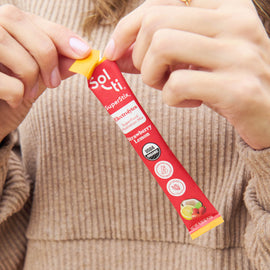
For an immunity shot that fits easily into your daily routine, try the Sol-ti IMMUNI-TI® SuperShot™. It’s made with vitamin C and Anti-Oxidant rich, USDA organic ingredients, such as:
- Camu Camu
- Raspberries
- Ginger
- Lemon
- Green Apple
Each 2.1 FL OZ (63 ml) shot delivers 200% of your daily vitamin C needs, which is well within safe daily limits. This daily vitamin C boost helps support your body’s natural defenses during times when staying well matters most.

What sets Sol-ti® apart?
All our SuperShot™ beverages are:
- Made with USDA organic ingredients, so no GMOs, harmful pesticides, or synthetics
- Cold-pressed to help preserve natural nutrients and fresh flavor
- UV light filtered for purity without compromising nutrient integrity
- Bottled in reusable glass to avoid leaching
- Vegan and allergy-friendly to fit various lifestyles
Order the IMMUNI-TI® SuperShot today to support your body during the flu season.
3. Wash Your Hands Often
Regular handwashing still matters, especially after being out in public or touching shared surfaces. Try to keep your hands away from your face when possible.
4. Clean High-Contact Surfaces
If someone in your household is sick, focus on frequently touched areas like doorknobs, light switches, and phone screens.
These surfaces are easy to overlook but can quietly pass germs from hand to hand throughout the day.
5. Improve Indoor Air Circulation
Open windows when the weather allows, even for short periods, to let fresh air circulate. Limiting time in crowded indoor spaces during peak flu season can also help.
Influenza virus spreads more easily in shared indoor air, so even small ventilation changes can be helpful.
Navigate Flu Season With Simple Daily Support and Sol-ti®
This severe flu season has been tough, but it doesn’t have to feel overwhelming.
Clear information and simple habits can prevent severe illness and help you move through flu season more comfortably.
The IMMUNI-TI® SuperShot fits easily into that rhythm. Made with USDA organic, vitamin C-rich ingredients, it’s designed for consistent, everyday wellness support alongside rest, hydration, and healthy habits.
Don't wait until you're feeling run down.
Stock up on IMMUNI-TI® SuperShot now and get it delivered straight to your door with free shipping on eligible orders over $75*.
*The SuperAde collection is excluded from free shipping.
Stay vibrant,

Want to hear more from the Sol-ti® community? Sign up for our weekly Newsletter!